
Embark on a journey to understand the potent world of witchcraft‚ exploring its historical roots and modern expressions․ This guide unveils the path to harnessing inner power․
Understanding the Roots of Witchcraft
Delving into the origins of witchcraft reveals a complex tapestry woven through millennia․ The very term “witchcraft” carries historical weight‚ often stemming from a Eurocentric Christian lens that viewed practices as dangerous and heretical․ However‚ the roots extend far deeper‚ predating Christianity and blossoming in pre-Christian Celtic beliefs – where the word “Wicca” itself signified “wise one․”
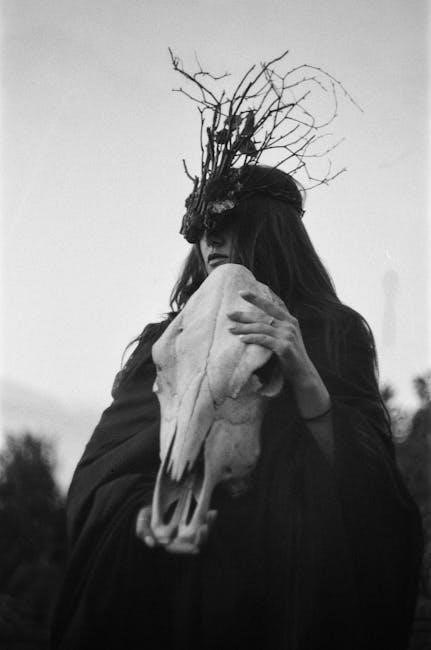
It’s crucial to acknowledge that defining witchcraft through a solely European perspective overlooks the vast‚ diverse spiritual traditions practiced globally․ For billions‚ these practices aren’t shadowy arts but beloved religious customs connecting them to the spirit world‚ offering hope and faith․ Early records‚ like the story of King Saul consulting the Witch of Endor around 931-721 B․C․‚ demonstrate a long-standing human engagement with accessing unseen realms․
Understanding these roots is paramount to appreciating the multifaceted nature of witchcraft and its enduring appeal․
Historical Foundations of Witchcraft
Explore the evolution of witchcraft‚ from ancient biblical mentions and Celtic traditions to its transatlantic journey and modern revival‚ shaping beliefs and practices today․
Ancient Origins: Biblical References & Early Practices
The earliest documented encounters with practices resembling witchcraft appear surprisingly early in recorded history․ One of the most cited examples originates within the Bible itself‚ specifically in the First Book of Samuel‚ dating back to approximately 931-721 B․C․ This narrative recounts King Saul’s desperate consultation with the “Witch of Endor‚” seeking to commune with the spirit of the deceased prophet Samuel for guidance before a crucial battle against the Philistines․
This story‚ while framed within a religious context that often viewed such practices with suspicion‚ demonstrates a long-held human fascination with accessing the unseen realms and seeking knowledge from beyond the veil․ It suggests that individuals capable of such interactions – what we might now term witches or mediums – existed and were recognized‚ even if not always accepted‚ within ancient societies․
These early practices likely drew upon a broader tapestry of folk beliefs‚ shamanic traditions‚ and attempts to influence the natural world through ritual and invocation․ They represent the nascent roots of a spiritual path that would evolve and diversify over millennia․
Celtic Wicca: The “Wise One” Tradition
The term “witchcraft” itself carries a fascinating etymological weight‚ deeply rooted in Celtic origins․ The word “Wicca” – often used to define the modern Pagan religion – directly translates to “wise one” in the Old English language‚ stemming from its Celtic predecessors․ This reveals a historical understanding of those practicing these arts not as malevolent figures‚ but as individuals possessing knowledge‚ healing abilities‚ and a connection to the natural world․
Celtic traditions emphasized a reverence for nature‚ ancestor veneration‚ and a belief in the interconnectedness of all things․ The “wise ones” within these communities served as healers‚ diviners‚ and keepers of lore‚ utilizing herbal remedies‚ ritual practices‚ and a deep understanding of the land․
This contrasts sharply with the later‚ often negative‚ portrayals of witchcraft propagated by Eurocentric Christian perspectives․ The Celtic “wise one” tradition represents a foundational element of Wicca‚ emphasizing wisdom‚ harmony‚ and a profound respect for the earth․
Wicca’s Transatlantic Journey & Modern Revival
Wicca‚ as a formalized religion‚ experienced a significant rebirth in the mid-20th century‚ largely thanks to Gerald Gardner‚ considered the father of modern Wicca․ However‚ its true flourishing occurred across the Atlantic in the United States․ In 1962‚ Raymond and Rosemary Buckland established a coven‚ and four years later‚ opened the Buckland Museum of Witchcraft and Magick on Long Island‚ New York – a pivotal moment in Wiccan history․
The US provided fertile ground for Wicca’s growth‚ resonating deeply with the burgeoning counter-cultural movements of the time․ Feminism‚ with its emphasis on female empowerment and reclaiming ancient traditions‚ found a natural ally in Wicca’s Goddess-centric theology․ Simultaneously‚ the growing environmental movement aligned with Wicca’s reverence for nature and ecological awareness․
Today‚ Wicca boasts a global following‚ practiced by countless individuals seeking a spiritual path rooted in magic‚ nature‚ and personal empowerment․

Core Beliefs & Principles
Wiccan ethics center around the Wiccan Rede – “An it harm none‚ do what ye will․” Coupled with the Law of Three‚ actions return threefold‚ shaping magical practice․
The Wiccan Rede: A Guiding Ethical Code
The Wiccan Rede‚ arguably the cornerstone of Wiccan ethics‚ is famously summarized as “An it harm none‚ do what ye will․” This isn’t a license for unrestrained action‚ but a profound responsibility․ It emphasizes that all actions have consequences and that practitioners must carefully consider the potential impact of their spells and rituals․
This principle encourages a deep respect for free will; magic should not be used to manipulate or control others against their desires․ The Rede isn’t simply about avoiding physical harm‚ but encompasses emotional‚ mental‚ and spiritual wellbeing as well․ It’s a call to mindful practice‚ urging witches to act with compassion and foresight․
Understanding the nuance of “harm” is crucial․ Sometimes‚ what appears beneficial in the short term can have unintended negative consequences․ The Rede prompts continuous self-reflection and a commitment to ethical conduct in all magical workings․ It’s a guiding star‚ ensuring witchcraft remains a force for good․
The Law of Three: Understanding Karmic Return
The Law of Three is a fundamental principle in Wicca‚ stating that whatever energy a witch sends out into the world – be it positive or negative – will return threefold․ This isn’t a punitive system‚ but a natural law of the universe‚ akin to Newton’s third law of motion: for every action‚ there is an equal and opposite reaction․
This concept underscores the immense power and responsibility inherent in witchcraft․ Spells cast with malicious intent will inevitably boomerang‚ manifesting as undesirable consequences for the caster․ Conversely‚ acts of kindness and healing will be amplified and returned with increased potency․
Therefore‚ careful consideration of intent is paramount․ The Law of Three encourages witches to cultivate positive energy‚ focusing on blessings‚ healing‚ and constructive change․ It’s a constant reminder that magic is not a tool for selfish gain‚ but a force that demands ethical awareness and mindful application․

Deities & The Divine: Gods & Goddesses in Witchcraft
Witchcraft embraces a diverse pantheon of deities‚ recognizing both Gods and Goddesses as expressions of the Divine․ Unlike many religions with a singular deity‚ Wicca often honors a dualistic system representing masculine and feminine energies․ These deities aren’t necessarily seen as external beings‚ but as archetypes embodying natural forces and aspects of the human psyche․
The Goddess is frequently revered as the Earth Mother‚ representing creation‚ nurturing‚ and the cycles of life․ The God embodies the wild‚ the hunter‚ and the power of transformation․ However‚ practitioners are free to work with deities from various cultures and traditions‚ honoring those that resonate personally․
Deity work involves building relationships through ritual‚ offerings‚ and devotion․ It’s a deeply personal practice‚ fostering connection to the sacred and enhancing magical workings․ Recognizing the Divine in all things is central to the Wiccan worldview․
Developing Your Witch Power
Unlock your potential through focused practices like meditation‚ energy work‚ and herbalism․ These techniques cultivate inner strength and deepen your connection to magical forces․
Meditation & Visualization for Witches
Meditation forms the bedrock of a witch’s practice‚ fostering inner peace and heightened awareness․ It’s a crucial tool for centering oneself before spellwork or divination‚ allowing for clearer intention and focused energy․ Begin with simple grounding exercises‚ visualizing roots extending from your body into the earth‚ drawing up stabilizing energy․
Visualization is equally potent․ Witches utilize this technique to manifest desires‚ direct energy‚ and connect with deities․ Imagine your desired outcome vividly‚ engaging all senses – sight‚ sound‚ smell‚ taste‚ and touch․ See the energy flowing from you‚ shaping reality according to your will․
Regular practice enhances your ability to raise and direct power․ Guided meditations specifically designed for witches can aid in astral travel‚ connecting with spirit guides‚ and exploring the realms beyond the physical․ Consistency is key; even short‚ daily sessions can yield profound results‚ strengthening your intuitive abilities and magical prowess․
Energy Work: Raising & Directing Power
Witchcraft fundamentally revolves around working with energy – the life force that permeates all things․ Raising power involves drawing this energy from various sources: the earth‚ the moon‚ the elements‚ deities‚ or even within oneself․ Techniques include drumming‚ chanting‚ dancing‚ and focused breathing exercises‚ all designed to build energetic intensity․
Directing this power requires intention and visualization․ Once raised‚ energy can be channeled into spells‚ rituals‚ or healing work․ Imagine the energy as a vibrant stream flowing from your hands‚ imbued with your will and directed towards your desired outcome․ Shielding is vital; visualize a protective barrier around yourself to prevent energy drain․
Mastering energy work demands practice and self-awareness․ Learn to sense energy flows‚ identify blockages‚ and refine your ability to manipulate this vital force․ Grounding after energy work is crucial to reintegrate and maintain balance‚ preventing overwhelm and ensuring continued magical effectiveness․
Herbalism & Correspondences: Nature’s Magic
Nature is a witch’s most potent ally‚ offering a wealth of magical ingredients and symbolic connections․ Herbalism‚ the art of working with plants‚ forms a cornerstone of many witchcraft traditions․ Each herb possesses unique properties – healing‚ protective‚ or enhancing – linked to specific deities‚ planets‚ and elements․
Correspondences extend beyond herbs to include colors‚ crystals‚ animals‚ and even days of the week․ Understanding these connections allows witches to amplify their spellwork by aligning energies․ For example‚ lavender corresponds to peace and tranquility‚ while red is associated with passion and courage․
Ethical harvesting is paramount; always ask permission before taking from nature and offer gratitude in return․ Building a relationship with plants through mindful observation and respectful interaction deepens your magical practice and unlocks nature’s profound wisdom․
Tools & Techniques
Unlock your potential with essential implements like tarot‚ runes‚ and pendulums․ Master spellcasting basics – intent‚ focus‚ and timing – to manifest desired outcomes effectively․
The Witch’s Toolkit: Essential Implements
A witch’s toolkit isn’t about elaborate displays‚ but rather carefully chosen items that amplify intention and focus magical energy․ The altar‚ a sacred space‚ serves as the central hub for practice‚ often adorned with representations of the elements – earth‚ air‚ fire‚ and water․
Essential tools include a wand‚ used for directing energy; a chalice‚ symbolizing the Goddess and emotions; and an athame (ritual knife)‚ representing the God and willpower․ A pentacle‚ a five-pointed star within a circle‚ embodies protection and the interconnectedness of all things․
Herbs‚ crystals‚ and candles are also vital‚ each possessing unique correspondences and energies․ A Book of Shadows‚ a personal journal‚ documents spells‚ rituals‚ and insights․ These tools aren’t inherently magical themselves; they become imbued with power through the witch’s intention and consistent use‚ acting as conduits for focused will and spiritual connection․
Spellcasting Basics: Intent‚ Focus & Timing
Effective spellcasting hinges on three core principles: intent‚ focus‚ and timing․ Clearly defining your desired outcome – your intent – is paramount․ Vague desires yield unpredictable results․ Focus your energy‚ visualizing the spell’s success with unwavering clarity‚ channeling your will into the working․
Timing is crucial; consider lunar phases‚ days of the week‚ and planetary hours․ A new moon is ideal for beginnings‚ while a full moon amplifies energy for manifestation․ Aligning your spell with appropriate energies enhances its potency․
Rituals often involve creating a sacred space‚ invoking deities or elemental forces‚ and reciting incantations․ Remember‚ spells aren’t about coercion‚ but about harmonizing with natural energies to manifest desired changes․ Ethical considerations are vital; ensure your spells align with the Wiccan Rede – “An it harm none‚ do what ye will․”
Divination Methods: Tarot‚ Runes & Pendulums
Divination serves as a powerful tool for witches‚ offering insight and guidance beyond the veil of everyday perception․ Tarot‚ with its rich symbolism‚ reveals patterns and potential outcomes‚ prompting self-reflection and informed decision-making․ Runes‚ ancient Germanic alphabets‚ tap into primal energies‚ offering concise yet profound messages․
Pendulums‚ often used with a simple “yes” or “no” framework‚ access the subconscious mind and intuitive responses․ Mastering these tools requires practice‚ clear intention‚ and a willingness to interpret symbolic language․
Remember that divination doesn’t predict a fixed future‚ but illuminates possible paths based on current energies․ It’s a conversation with the universe‚ offering guidance‚ not dictates․ Ethical use involves respecting free will and avoiding intrusive readings on others without consent․

Witchcraft in the Modern World
Contemporary witchcraft thrives‚ connecting with feminism and environmentalism․ Spiritual hygiene and ethical practice are crucial for modern witches navigating a complex world․
Wicca & Contemporary Movements (Feminism‚ Environmentalism)
The resurgence of Wicca in the United States during the 1960s wasn’t a coincidence; it deeply intertwined with burgeoning counter-cultural movements․ Feminism‚ seeking to reclaim female power and challenge patriarchal structures‚ found a resonant echo within Wicca’s emphasis on the Divine Feminine and Goddess worship․ This offered a spiritual framework celebrating female strength and intuition‚ contrasting sharply with traditional religious norms․
Simultaneously‚ the growing environmental consciousness of the era aligned perfectly with Wicca’s reverence for nature․ The belief in the sacredness of the Earth and all living things fostered a deep connection to the natural world‚ promoting ecological responsibility and a rejection of rampant consumerism․ Wiccans often practice a form of animism‚ recognizing spirit within nature․
This synergy allowed Wicca to flourish‚ providing a spiritual home for those seeking alternatives to mainstream religion and a path towards personal empowerment and ecological harmony․ The connection continues today‚ with many modern Wiccans actively involved in social justice and environmental activism․
Protecting Yourself: Spiritual Hygiene & Boundaries
Working with energy‚ whether for spellcasting or divination‚ necessitates robust spiritual protection․ Just as physical hygiene safeguards your body‚ spiritual hygiene shields your aura and energetic field from unwanted influences․ This begins with establishing clear boundaries – learning to discern and respectfully decline energy that doesn’t serve your highest good․
Regular cleansing rituals are vital․ Smudging with herbs like sage or palo santo‚ salt baths‚ and visualization techniques can clear stagnant energy and restore balance․ Grounding exercises‚ connecting with the Earth’s energy‚ are equally important to prevent feeling scattered or overwhelmed․
Shielding – visualizing a protective barrier of light around yourself – offers ongoing defense․ Be mindful of energetic vampires or individuals who drain your vitality․ Learning to recognize and detach from negative energy is crucial for maintaining well-being and preventing spiritual exhaustion․ Prioritize self-care and trust your intuition․
Ethical Considerations in Witchcraft Practice
Witchcraft‚ at its core‚ emphasizes responsibility and mindful action․ The Wiccan Rede – “An it harm none‚ do what ye will” – serves as a foundational ethical guideline‚ urging practitioners to consider the consequences of their actions․ However‚ ethical practice extends beyond simply avoiding harm; it requires intention‚ respect‚ and a deep understanding of karmic principles․
The Law of Three suggests that whatever energy you send out returns threefold․ Therefore‚ spells cast with malicious intent can have unforeseen and negative repercussions․ Consent is paramount; never manipulate or interfere with another’s free will․ Respect the energies of deities‚ spirits‚ and the natural world․
Consider the long-term impact of your work and strive for balance․ Avoid practices that exploit or disrespect others․ Ethical witchcraft is about empowerment‚ healing‚ and positive change‚ guided by integrity and a commitment to the greater good․