The One and Only Ivan: Comprehensive Questions & Answers
Dive into insightful explorations of Katherine Applegate’s novel! Discover detailed analyses‚ character studies‚ and thematic discussions. Access resources‚ including potential PDF study guides‚ for a deeper understanding of Ivan’s world.
“The One and Only Ivan” is a heartwarming and thought-provoking novel penned by Katherine Applegate‚ captivating readers with its unique narrative voice and poignant exploration of themes like freedom‚ friendship‚ and the ethical treatment of animals. The story‚ inspired by the true story of Ivan‚ a gorilla who lived for 27 years in a shopping mall‚ unfolds through Ivan’s perspective‚ offering a compelling glimpse into his captive life and eventual journey towards a more fulfilling existence.
This novel isn’t merely a children’s story; it’s a powerful commentary on humanity‚ compassion‚ and the importance of recognizing the inherent worth of all living creatures. Applegate masterfully crafts a narrative that is both accessible to young readers and deeply resonant for adults. Many educators utilize supplemental materials‚ often found as PDF study guides‚ to enhance classroom discussions and comprehension. These resources typically include chapter-by-chapter questions‚ character analyses‚ and prompts for critical thinking.
Exploring the novel’s core messages often involves considering Ivan’s artistic expression as a means of communication and his evolving understanding of his own identity. The story encourages empathy and challenges readers to contemplate the responsibilities we have towards the animal kingdom.
About the Author‚ Katherine Applegate
Katherine Applegate is a highly acclaimed American author‚ celebrated for her compelling children’s and young adult literature. Born in Michigan‚ she has penned over thirty books‚ demonstrating a remarkable versatility in genre and style. Applegate’s writing frequently centers around themes of empathy‚ animal welfare‚ and social justice‚ reflecting her deep commitment to these issues.
Before achieving widespread recognition with “The One and Only Ivan‚” Applegate was known for her Animorphs series‚ a popular science fiction adventure. However‚ her shift towards more emotionally resonant narratives solidified her reputation as a masterful storyteller. She received the Newbery Medal in 2013 for “The One and Only Ivan‚” a testament to the novel’s literary merit and profound impact.
Applegate’s dedication to research is evident in her work‚ particularly in “Ivan‚” where she meticulously studied gorillas and their behaviors. Educators often utilize resources‚ including PDF guides focusing on author background‚ to enrich student understanding of the novel’s context. These materials highlight Applegate’s inspiration and the real-life story that sparked this moving tale.
Overview of the Novel’s Setting: The Mall
The primary setting of “The One and Only Ivan” is a dilapidated‚ second-rate shopping mall‚ serving as an unconventional and poignant backdrop for the story. This isn’t a bustling hub of commerce; rather‚ it’s a fading establishment‚ reflecting a sense of decline and forgotten dreams. Within the mall‚ Ivan‚ Stella‚ and Bob reside in a cramped exhibit‚ a stark contrast to their natural habitats.
The mall symbolizes captivity and the commercialization of animals. Its artificiality—the plastic trees‚ the fake rock formations—underscores the unnaturalness of their confinement. The surrounding stores‚ largely vacant or struggling‚ mirror the dwindling hope for Ivan and Stella’s freedom. The mall’s human visitors represent a detached curiosity‚ often failing to recognize the animals’ sentience.
Analyzing the setting is crucial when exploring themes within the novel. Study guides‚ often available as PDF downloads‚ emphasize the mall’s symbolic weight. These resources help students understand how Applegate uses the environment to critique consumerism and advocate for animal rights‚ creating a powerful and thought-provoking narrative.
Character Analysis: Ivan
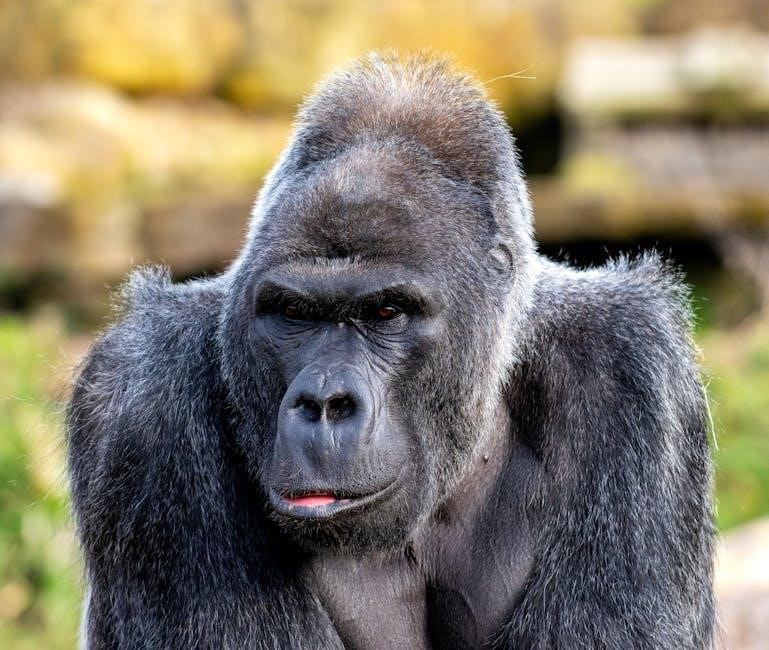
Ivan‚ the novel’s narrator‚ is a silverback gorilla living in captivity within a shopping mall. Initially‚ he presents as stoic and detached‚ observing the world with a quiet resignation born from years of confinement. He finds solace in his art – drawing – a means of processing his emotions and reflecting on his past.
Throughout the story‚ Ivan undergoes significant character development. The arrival of Ruby‚ a baby elephant‚ awakens a protective instinct within him‚ prompting him to question his passive acceptance of his situation. He evolves from a detached observer to an active participant in seeking a better life for Ruby and himself.
Ivan’s perspective‚ delivered through simple yet profound prose‚ is central to the novel’s emotional impact. Comprehensive character analyses‚ often found in PDF study guides‚ highlight his internal conflicts and eventual courage. These resources explore how his artistic expression reveals his longing for freedom and connection‚ making him a compelling and sympathetic protagonist.
Character Analysis: Ruby
Ruby‚ a young African elephant‚ represents innocence and vulnerability within the confines of the mall. Her arrival dramatically shifts the narrative‚ acting as a catalyst for change and prompting Ivan to re-evaluate his life. Initially‚ Ruby’s playful energy and naive trust contrast sharply with Ivan’s world-weariness.
She embodies the cruelty of captivity‚ having been separated from her family and subjected to a harsh‚ unnatural environment. Ruby’s longing for a natural habitat and a family fuels Ivan’s determination to secure her freedom. Her character highlights the emotional and psychological toll of confinement on animals.
Detailed character studies‚ frequently available as PDF resources‚ emphasize Ruby’s symbolic importance. She represents hope and the possibility of a better future. Analyses explore how her interactions with Ivan and Julia reveal the power of compassion and the importance of fighting for what is right‚ even in the face of adversity.
Character Analysis: Bob
Bob‚ the stray dog‚ provides comic relief and a unique perspective within the novel’s setting. Despite his own challenging circumstances‚ Bob maintains a cheerful disposition and unwavering loyalty to Ivan. He serves as Ivan’s closest companion‚ offering a sense of camaraderie and understanding in their shared captivity.
Bob’s character highlights the theme of friendship and the ability to find connection in unexpected places. His simple joys and unwavering optimism contrast with Ivan’s initial apathy‚ gradually influencing the gorilla’s outlook on life. He represents resilience and the power of positive thinking.
Comprehensive character analyses‚ often found in PDF study guides‚ delve into Bob’s role as a foil to Ivan. These resources explore how his playful nature and unconditional affection contribute to Ivan’s emotional growth and ultimately inspire him to take action. Bob’s seemingly insignificant presence proves profoundly impactful.
Character Analysis: Julia
Julia‚ the young daughter of Mack‚ the mall owner‚ represents innocence‚ compassion‚ and the potential for change. Initially‚ she is captivated by the animals’ performances‚ but her perspective evolves as she spends more time observing Ivan and Ruby. She possesses a genuine empathy that sets her apart from the other humans in the story.
Julia’s artistic talent mirrors Ivan’s own‚ and their shared love of drawing becomes a crucial element in their connection. She recognizes Ivan’s intelligence and sensitivity‚ treating him with respect and dignity. Her unwavering belief in Ivan’s worth fuels his desire for a better life;
Detailed character studies‚ frequently available as PDF resources‚ examine Julia’s role as a catalyst for the plot. These analyses explore how her growing awareness of the animals’ plight prompts her to question her father’s actions and ultimately advocate for their freedom. She embodies hope and the power of youthful idealism.
Plot Summary: Early Life and Captivity
The narrative begins by establishing Ivan’s history – his capture as a young gorilla in Africa and his subsequent life in captivity. For twenty-seven years‚ he’s resided at the Exit 88 mall‚ a seemingly comfortable‚ yet ultimately confining‚ existence; He performs in a small circus act alongside Stella‚ an aging elephant‚ and Bob‚ a stray dog.
Ivan’s early life is revealed through fragmented memories‚ highlighting the loss of his family and natural habitat. The mall becomes his entire world‚ a predictable routine of performances‚ television watching‚ and limited interaction. He observes the human world with a detached curiosity‚ processing events through his unique gorilla perspective.
Comprehensive plot summaries‚ often found in PDF study guides‚ detail this initial setup. These resources emphasize the stark contrast between Ivan’s past and present‚ setting the stage for his eventual desire for change. The early chapters establish the emotional core of the story – Ivan’s longing for freedom and a meaningful life.
Plot Summary: The Arrival of Ruby
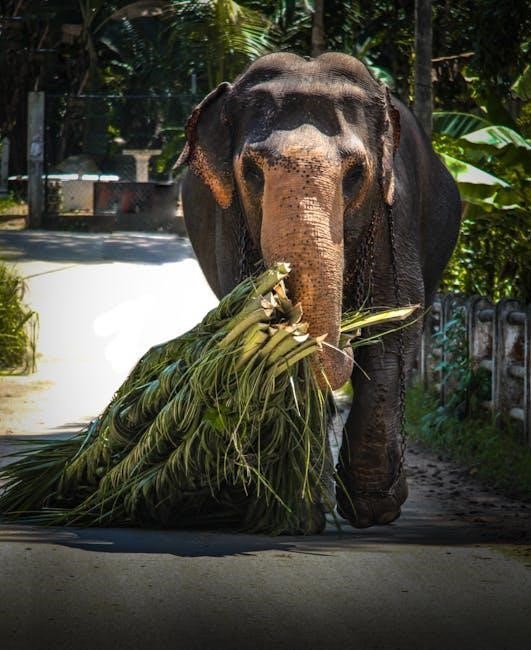
A pivotal moment arrives with the introduction of Ruby‚ a baby elephant brought to the mall to attract more customers. Ivan witnesses the harsh realities of Ruby’s captivity‚ recognizing the detrimental effects on her well-being. He observes her fear‚ loneliness‚ and the physical strain of performing.
Ruby’s presence awakens a dormant sense of responsibility within Ivan. He begins to question the morality of their confinement and the purpose of their performances. He feels compelled to protect Ruby‚ understanding that she deserves a better life than the one she’s been given;
Detailed PDF study guides often dedicate significant sections to Ruby’s impact on the plot. They highlight how her arrival serves as a catalyst for Ivan’s transformation and the unfolding of the central conflict. Her vulnerability forces Ivan to confront his own complacency and actively seek a solution for both their futures‚ sparking the plan for escape.
Plot Summary: The Promise and the Plan
Driven by his growing concern for Ruby‚ Ivan makes a solemn promise to her: he will find her a better home‚ a place where she can truly live. This promise fuels the development of a daring plan to secure their freedom and relocate Ruby to a wildlife sanctuary.
The plan hinges on Ivan’s artistic talent. He begins creating drawings‚ depicting a life for Ruby filled with open spaces and companionship. These drawings are intended to capture the attention of Julia‚ the janitor’s daughter‚ and ultimately‚ the public‚ generating support for their cause.
Many PDF study guides dedicated to “The One and Only Ivan” emphasize the significance of this section. They analyze the symbolism within Ivan’s artwork and the strategic nature of his plan. Discussions often center on the challenges Ivan faces‚ the risks involved‚ and the unwavering determination that drives him forward‚ showcasing his evolving character.
Plot Summary: Ivan’s Role in the Escape
Ivan’s role in the escape is pivotal‚ evolving from passive observer to active orchestrator. He utilizes his intelligence and understanding of the mall’s routines to facilitate Ruby’s transfer. His drawings‚ initially a means of expressing hope‚ become crucial tools in gaining Julia’s trust and securing assistance.
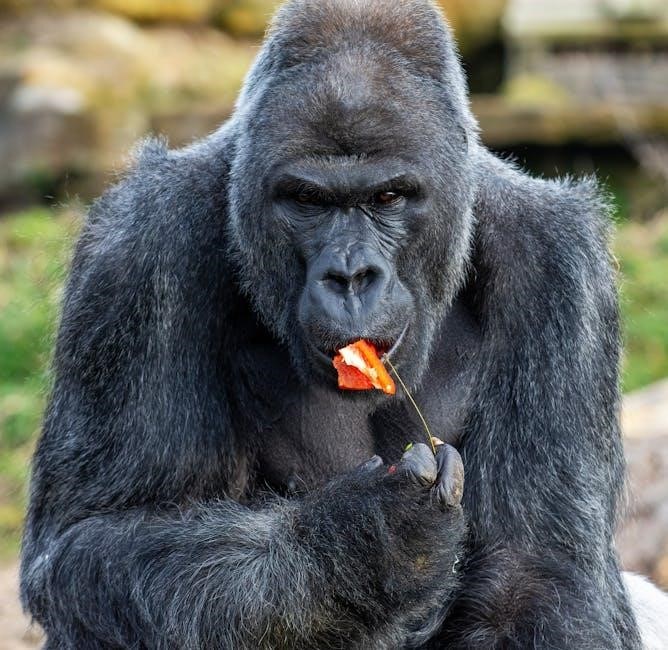
The plan isn’t without complications. Mack‚ the mall owner‚ presents a significant obstacle‚ and Ivan must navigate his unpredictable behavior. The successful execution relies on precise timing and the cooperation of Julia‚ who bravely advocates for Ruby’s well-being.
Numerous PDF resources analyzing “The One and Only Ivan” highlight Ivan’s transformation during this phase. They explore his courage‚ resourcefulness‚ and the sacrifices he makes for Ruby. Study guides often pose questions about Ivan’s motivations and the ethical implications of his actions‚ prompting deeper critical thinking about the narrative’s core themes.
Themes: Freedom and Confinement
The central theme of freedom versus confinement permeates “The One and Only Ivan‚” explored through the literal cages of the mall and the metaphorical constraints of habit and expectation. Ivan’s journey embodies a longing for liberation‚ not just physical relocation‚ but also emotional and spiritual release.
Ruby’s arrival intensifies this theme‚ highlighting the injustice of captivity and the inherent right to a natural habitat. The mall itself symbolizes a manufactured world‚ a gilded cage offering superficial comforts while denying genuine freedom. The narrative powerfully contrasts this with the wild‚ untamed beauty of Africa.
Many PDF study guides dedicated to the novel delve into this theme‚ posing questions about the different forms of confinement experienced by the characters. They encourage analysis of how Ivan and Ruby redefine freedom through their friendship and the pursuit of a better life. Discussions often center on the ethical responsibilities humans have towards animals and the importance of respecting their natural instincts.
Themes: Friendship and Loyalty
The profound bond between Ivan and Ruby forms the emotional core of “The One and Only Ivan‚” illustrating the transformative power of friendship. Initially‚ Ivan is a solitary observer‚ content within his routine‚ but Ruby’s vulnerability awakens a sense of protectiveness and loyalty he never knew he possessed.
Their connection transcends species‚ demonstrating that empathy and understanding can flourish even in the most unlikely circumstances. Bob‚ despite his flaws‚ also exhibits a form of loyalty‚ providing Ivan with companionship and a shared history. Julia’s unwavering dedication to Ivan and Ruby further emphasizes the theme’s importance.
Numerous PDF study guides and classroom resources explore this theme through character analysis and discussion questions. They prompt readers to consider how friendship motivates Ivan’s actions and fuels his determination to secure a better future for Ruby. These guides often include prompts examining the sacrifices made in the name of loyalty and the enduring strength of genuine connection.
Themes: The Power of Art
Art serves as a vital form of expression and a catalyst for change within “The One and Only Ivan.” Ivan’s drawings‚ initially a solitary pastime‚ evolve into a powerful means of communicating his feelings‚ observations‚ and ultimately‚ his desire for freedom. His art captures the essence of his captivity and the longing for a more natural existence.
The drawings also resonate with Julia‚ sparking her empathy and inspiring her to advocate for Ivan and Ruby’s welfare. This highlights art’s ability to bridge divides and foster understanding. It demonstrates how creative expression can transcend language barriers and evoke emotional responses.
Many PDF study guides dedicated to the novel delve into the symbolism of Ivan’s art‚ analyzing how his evolving style reflects his internal journey. Discussion questions often focus on the impact of art on both the characters within the story and the readers themselves. These resources explore how art can be a tool for social commentary and a pathway to liberation.
Themes: Animal Welfare and Conservation
“The One and Only Ivan” powerfully addresses the ethical concerns surrounding animal welfare and the importance of conservation. The novel exposes the harsh realities of keeping animals in captivity for entertainment‚ prompting readers to question the morality of such practices. Ivan’s story‚ inspired by the true story of a gorilla living in a shopping mall‚ serves as a poignant critique of these conditions.
The narrative emphasizes the inherent dignity of animals and their right to live in environments that meet their physical and emotional needs. Ruby’s arrival intensifies this theme‚ highlighting the devastating impact of habitat loss and the illegal wildlife trade.
Numerous PDF study guides and classroom resources accompanying the novel facilitate discussions on animal rights and conservation efforts. These materials often include questions designed to encourage critical thinking about responsible stewardship of the natural world. They also provide links to organizations dedicated to protecting endangered species and improving animal welfare standards.
Symbolism: The Television
The television in “The One and Only Ivan” functions as a potent symbol of the outside world and Ivan’s limited perspective. It represents a window to a life beyond the confines of the mall‚ showcasing nature documentaries and human experiences he can only observe‚ never truly participate in. The television’s constant stream of images ironically highlights Ivan’s own captivity and longing for freedom.
It also symbolizes the human tendency to consume and observe life at a distance‚ rather than engaging with it directly. Ivan often finds solace and a strange connection to the natural world through the television‚ yet it simultaneously reinforces his isolation.
Analyzing the symbolism of the television is a common element in PDF study guides and classroom discussions. These resources often pose questions about the contrast between the televised world and Ivan’s reality‚ prompting students to consider themes of perception‚ freedom‚ and the human-animal connection. Exploring this symbol deepens understanding of the novel’s core messages.
Symbolism: The Drawings
Ivan’s drawings are central to the novel’s exploration of art‚ communication‚ and the power of self-expression. Initially‚ they begin as simple attempts to pass the time‚ but they evolve into a powerful means for Ivan to convey his thoughts‚ feelings‚ and observations about his world – a world he cannot verbally articulate to humans.
The drawings symbolize Ivan’s growing awareness of his situation and his desire for change. They represent a bridge between his internal life and the external world‚ allowing him to connect with Julia and‚ ultimately‚ advocate for his own freedom and the freedom of other animals.
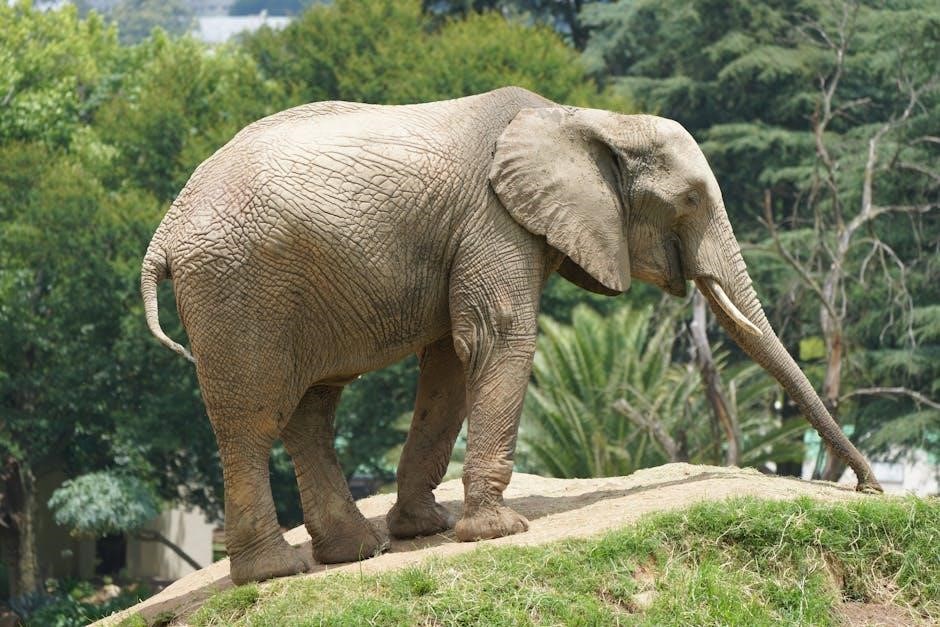
Many PDF study guides dedicated to “The One and Only Ivan” dedicate significant attention to the symbolism of the drawings‚ often including questions about their artistic style‚ the subjects Ivan chooses to depict‚ and the impact they have on other characters. Analyzing these artistic expressions unlocks deeper layers of meaning within the narrative‚ highlighting the novel’s themes of voice and agency.
Symbolism: The Mall Itself
The mall in “The One and Only Ivan” functions as a powerful symbol of artificiality‚ consumerism‚ and confinement. It represents a fabricated world‚ detached from nature and driven by human desires for entertainment and profit. Ivan‚ Ruby‚ and Bob are trapped within this manufactured environment‚ their lives reduced to spectacles for shoppers.
The mall’s sterile‚ brightly lit spaces contrast sharply with the natural world Ivan remembers from his youth‚ emphasizing the loss of freedom and authenticity. It embodies a kind of gilded cage‚ offering material comforts while denying the animals their fundamental needs and instincts.
Numerous PDF study guides and classroom resources exploring “The One and Only Ivan” delve into the mall’s symbolism‚ often posing questions about its architectural features‚ the types of stores present‚ and the behavior of the shoppers. These analyses reveal how the mall serves as a microcosm of a society that often prioritizes convenience and entertainment over ethical considerations and animal welfare.
Literary Devices: Point of View (Ivan’s Perspective)
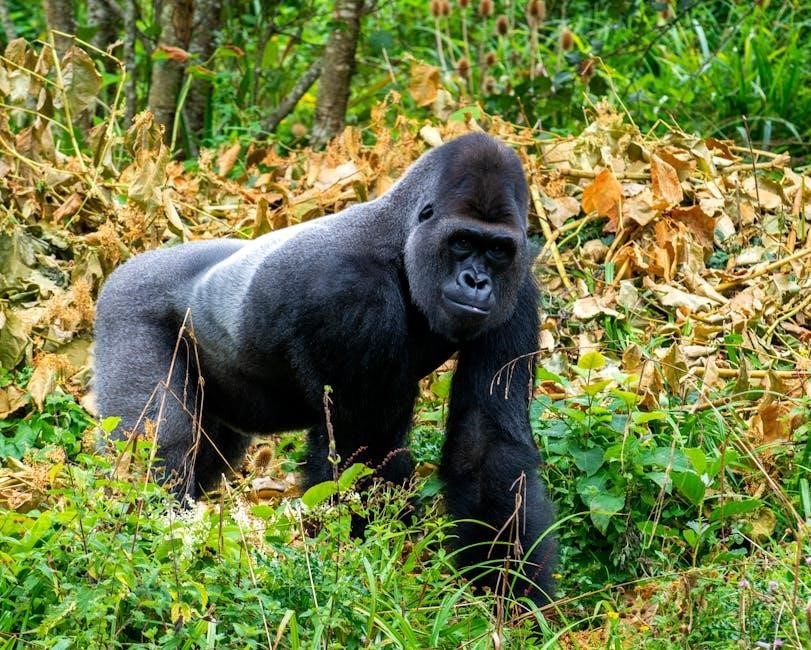
Katherine Applegate’s choice of first-person narration‚ told entirely from Ivan’s perspective‚ is a crucial literary device in “The One and Only Ivan.” This unique viewpoint allows readers to experience the story through the eyes of a gorilla‚ fostering empathy and challenging preconceived notions about animal intelligence and emotion.
Ivan’s voice is characterized by simplicity‚ observation‚ and a poignant sense of detachment. He describes his surroundings and fellow inhabitants with a childlike curiosity‚ yet his observations often reveal profound insights into the human condition. The narrative’s limitations – Ivan’s vocabulary and understanding – also contribute to its power‚ forcing readers to actively interpret events and fill in gaps.
Many PDF study guides and question sets dedicated to the novel focus on analyzing the impact of this narrative choice. Questions often explore how Ivan’s perspective shapes our understanding of themes like freedom‚ captivity‚ and the power of art. Examining his internal monologue reveals the subtle nuances of his character and the emotional weight of his experiences.
Literary Devices: Imagery and Descriptive Language
Applegate masterfully employs vivid imagery and descriptive language throughout “The One and Only Ivan‚” creating a compelling and emotionally resonant reading experience. The author doesn’t simply tell us about Ivan’s world; she shows us‚ utilizing sensory details to bring the mall and its inhabitants to life.
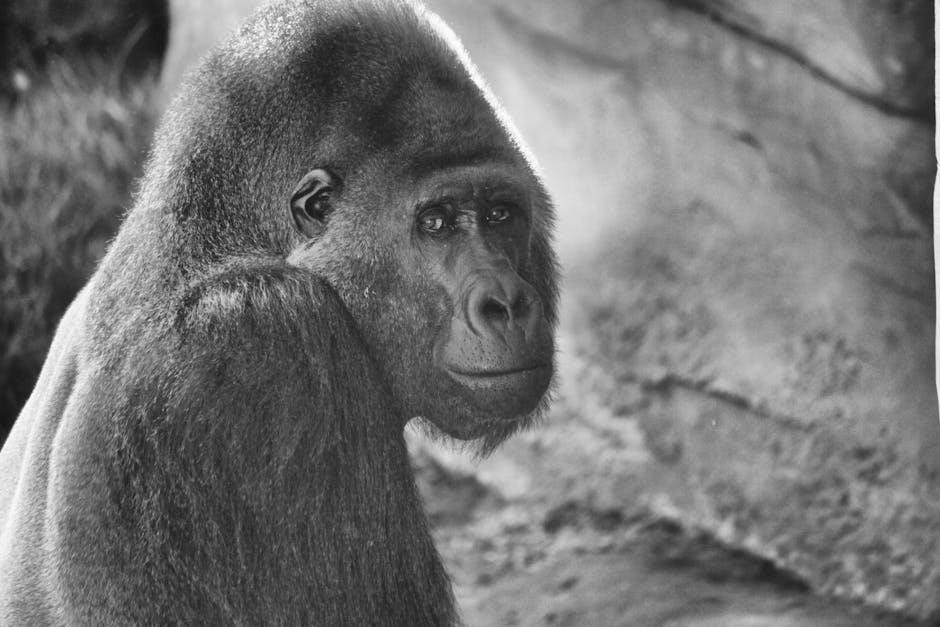
Descriptions of the glass walls‚ the bustling shoppers‚ and the stark contrast between Ivan’s enclosure and the outside world are particularly striking. Applegate’s use of color‚ texture‚ and sound paints a detailed picture‚ immersing the reader in Ivan’s limited environment. The descriptions of Ruby‚ the baby elephant‚ are especially poignant‚ highlighting her vulnerability and innocence.
Analyzing these literary techniques is a common component of study guides and PDF question sets; Questions frequently ask students to identify specific examples of imagery and explain their effect on the reader. Understanding how Applegate uses language to evoke emotion and create atmosphere is key to appreciating the novel’s artistic merit and thematic depth.
Literary Devices: Use of Simplicity in Narrative
Katherine Applegate’s choice to narrate “The One and Only Ivan” from Ivan’s perspective‚ and to employ a remarkably simple narrative style‚ is a crucial literary device. The language mirrors Ivan’s limited understanding of the world and his observational nature‚ creating a powerful sense of authenticity.
This simplicity isn’t a weakness; it’s a deliberate artistic choice. The short‚ declarative sentences and straightforward vocabulary reflect Ivan’s thought processes and emotional state; It allows readers to connect with Ivan on a deeply empathetic level‚ experiencing the world through his innocent eyes. The narrative avoids complex sentence structures or elaborate descriptions‚ focusing instead on concrete details and emotional resonance.
Many PDF study guides and question sets dedicated to the novel explore this narrative technique. Questions often focus on how the simplicity of the language impacts the reader’s understanding of Ivan’s character and the novel’s themes. Analyzing this stylistic choice reveals Applegate’s skill in crafting a profoundly moving story with remarkable restraint.
Frequently Asked Questions About the Ending
The ending of “The One and Only Ivan” often sparks considerable discussion. A common question revolves around the realism of Ivan’s relocation to a wildlife sanctuary. Many readers wonder if such a transition is truly possible for a gorilla who has spent decades in captivity. PDF resources containing questions and answers frequently address this‚ highlighting the novel’s blend of fiction and inspiration from real-life animal rescue stories.
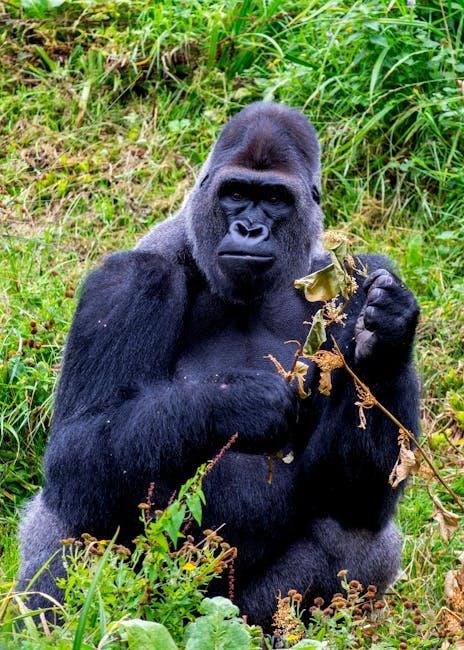
Another frequent inquiry concerns Ruby’s future. While the novel focuses on Ivan’s journey‚ readers naturally want to know if Ruby finds a suitable home and thrives. Study guides often prompt analysis of the symbolic significance of Ruby’s placement‚ representing hope for future generations of captive animals.
Furthermore‚ questions arise about the fate of Mack and the mall. Did Mack learn from his experiences? Was the mall ultimately shut down? These questions encourage critical thinking about the broader themes of animal welfare and societal responsibility. Comprehensive PDFs provide discussion points and potential essay topics exploring these complex issues.
Discussion Questions for Classroom Use
To foster deeper engagement with “The One and Only Ivan‚” consider these discussion prompts. Begin by exploring Ivan’s narrative voice – how does his perspective shape our understanding of captivity? Encourage students to analyze the symbolism of the television and the drawings‚ connecting them to themes of hope and communication.
Further discussion could center on the ethical implications of keeping animals in captivity. What responsibilities do humans have towards animals? How does the novel challenge our perceptions of animal intelligence and emotion? Many PDF study guides offer structured questions to facilitate these conversations.
Explore the characters’ motivations – Mack’s financial struggles‚ Julia’s compassion‚ and Bob’s loyalty. How do these motivations influence their actions? Finally‚ debate the effectiveness of the plan to move Ivan and Ruby. Was it a realistic solution? Utilizing PDF resources with pre-prepared questions can streamline classroom discussions and encourage thoughtful responses.
Resources for Further Learning (Animal Conservation)
Inspired by Ivan’s story? Extend learning beyond the novel with these animal conservation resources. The Gorilla Fund International (gorillafund.org) actively protects gorillas in their natural habitat‚ mirroring Ruby’s species. Explore their work and consider supporting their efforts.
World Wildlife Fund (worldwildlife.org) offers comprehensive information on endangered species and conservation initiatives globally. Students can research specific animals and the threats they face. Many organizations provide downloadable educational materials‚ sometimes available as PDF guides‚ detailing conservation challenges.
Additionally‚ investigate local zoos and sanctuaries committed to ethical animal care and conservation. Research their breeding programs and educational outreach. Several websites compile lists of reputable animal welfare organizations. Searching for “animal conservation PDF resources” will yield valuable educational materials and lesson plans. Remember to critically evaluate sources and prioritize organizations with transparent practices.