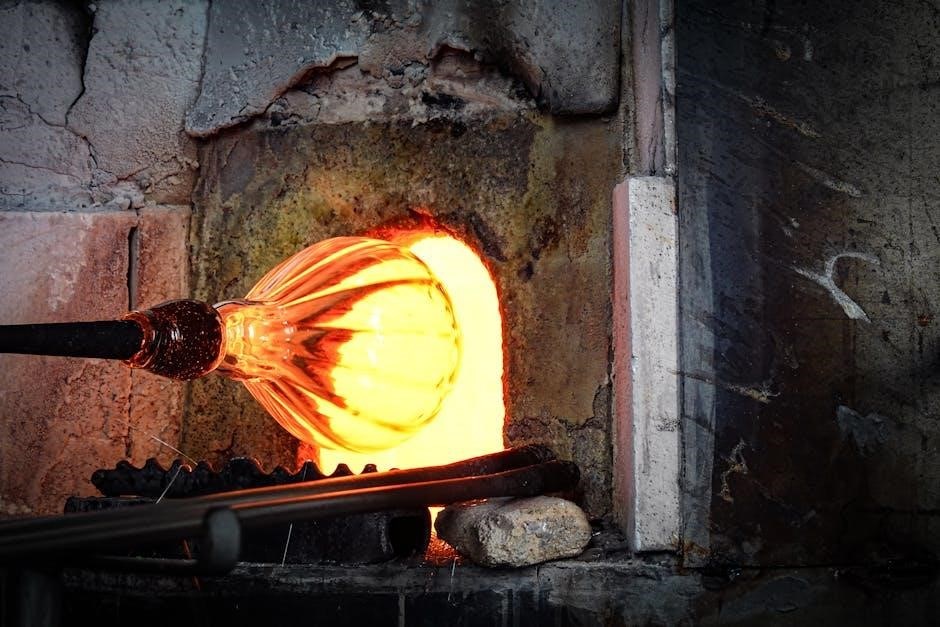
Navigating the world of vintage Murano glass requires understanding its allure‚ authenticity‚ and market value. Genuine pieces evoke excitement‚ showcasing handmade imperfections and unique characteristics.
What is Murano Glass?
Murano glass is renowned worldwide for its artistry and historical significance‚ originating from the island of Murano near Venice‚ Italy. This glass isn’t simply a material; it’s a legacy of centuries-old techniques passed down through generations of skilled artisans. Authentic Murano glass pieces often display subtle imperfections – tiny air bubbles or slight variations in shape – which are hallmarks of being hand-blown.
These aren’t flaws‚ but rather evidence of the human touch and the unique character of each creation. The “excitement” felt when viewing a piece is a key indicator of its potential authenticity. Genuine Murano glass evokes a sense of wonder‚ stemming from its vibrant colors and intricate designs. It’s a testament to Venetian craftsmanship and a treasured collectible.
Historical Overview of Murano Glassmaking
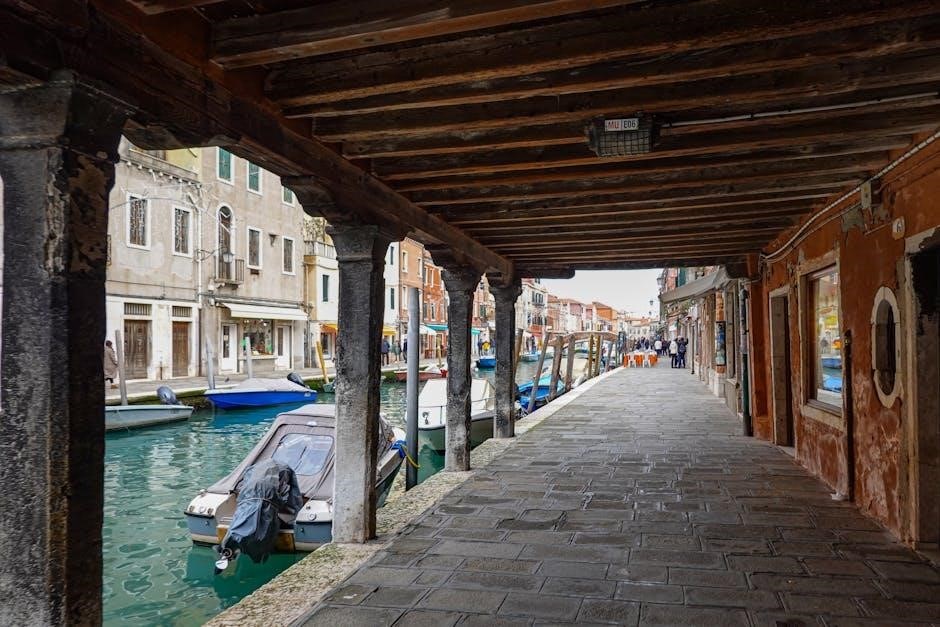
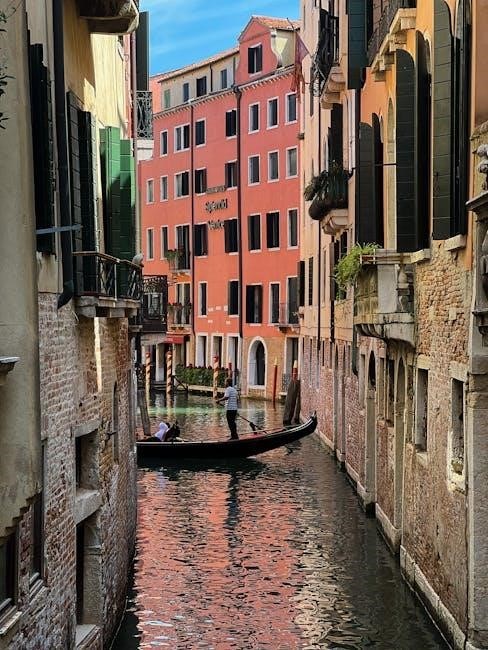
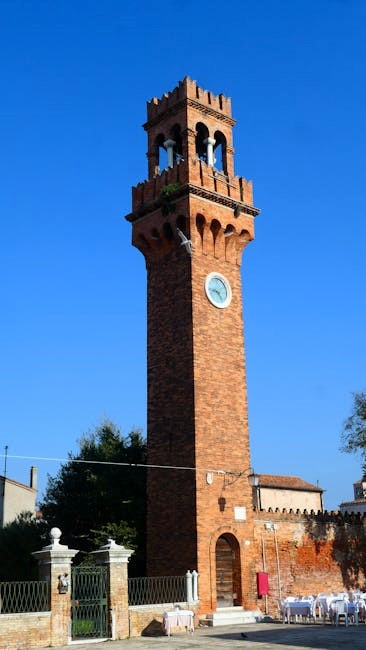
The story of Murano glassmaking began in 1291‚ when the Venetian Republic decreed that all glass factories must relocate to Murano. This move aimed to protect Venice from fires and to maintain the secrecy surrounding the glassmakers’ techniques. For centuries‚ Murano artisans held a monopoly on high-quality glass production‚ developing innovative methods and styles.
They became masters of techniques like filigrana‚ murrine‚ and sommerso‚ creating pieces coveted by royalty and nobility across Europe. The glassmakers guarded their skills fiercely‚ and passing them down through families ensured the continuation of this artistic tradition. Understanding this rich history is crucial when assessing the value of vintage Murano glass‚ as age and provenance significantly impact collectibility.

Key Characteristics of Valuable Vintage Murano Glass
Valuable pieces display handmade qualities – slight imperfections‚ internal air bubbles‚ and pontil marks – signifying authentic‚ individually blown artistry and age.
Handmade Imperfections: A Sign of Authenticity
Authentic vintage Murano glass is rarely‚ if ever‚ perfectly uniform. The very nature of hand-blowing introduces subtle variations‚ making each piece uniquely its own. If you compare two seemingly identical items and notice slight differences in shape‚ size‚ or texture‚ that’s a strong indicator of genuine craftsmanship.
Machine-made glass achieves a level of precision that is absent in true Murano artistry. Look for gentle undulations‚ minor inconsistencies in the glass thickness‚ or slight asymmetries. These aren’t flaws; they are hallmarks of a skilled artisan’s touch.
These imperfections demonstrate the glass was formed by hand‚ not molded by a machine‚ and contribute significantly to the piece’s character and value. Embrace the subtle irregularities – they tell a story of tradition and skill!
The Presence of Air Bubbles
Tiny air bubbles within vintage Murano glass are frequently‚ though not universally‚ a sign of authenticity. These minuscule inclusions are a natural byproduct of the hand-blowing process‚ occurring as air gets trapped during the shaping of the molten glass. While not always present‚ their existence supports the handmade origin of the piece.
However‚ it’s crucial to distinguish between genuine air bubbles and imperfections from lower-quality manufacturing. Authentic bubbles are typically small‚ scattered‚ and appear as distinct spheres. Larger‚ clustered bubbles or those with elongated shapes may suggest a different origin.
The presence of these bubbles‚ alongside other characteristics‚ adds to the charm and value‚ confirming the artistry inherent in Murano glassmaking.
Pontil Marks: Identifying Original Pieces
A pontil mark‚ located on the base of many vintage Murano glass items‚ is a crucial indicator of authenticity. This rough‚ circular scar signifies where the glass piece was detached from the blowing iron (the pontil rod) during the creation process. Original Murano glass almost always bears this mark‚ demonstrating it was hand-blown.
However‚ the absence of a pontil mark doesn’t automatically disqualify a piece; some designs didn’t require one. A carefully ground or polished-over pontil mark can suggest an attempt to conceal its origin‚ raising suspicion. Examining the mark’s texture and roughness is key.
The presence of a genuine pontil mark significantly enhances a piece’s value‚ confirming its traditional Murano craftsmanship.

Identifying Authentic Murano Glass
Genuine Murano glass is verified through labels‚ signatures‚ certificates of origin‚ and the “excitement” factor—a sense of quality and artistry.
Vetro Murano Labels and Signatures
The presence of a “Vetro Murano” label or signature is a strong indicator of authenticity‚ though not all original pieces bear them. Masters often forgo signatures on larger items like chandeliers for aesthetic reasons. However‚ a legitimate label signifies the glass was produced in Murano‚ Italy.
These labels and signatures can vary in style and age‚ evolving over time. Look for clear‚ well-defined markings. Be cautious of poorly printed or easily removable labels‚ as these are often counterfeits. Authentic signatures are typically etched or applied directly to the glass‚ demonstrating permanence. Remember that the absence of a mark doesn’t automatically disqualify a piece; other authentication methods‚ like pontil marks and irregularities‚ should be considered.
Certificate of Origin Stickers
A traditional method for verifying Murano glass authenticity involves locating the official certificate of origin sticker. These stickers‚ typically affixed to the piece‚ serve as documentation of its Murano origin. However‚ be aware that stickers can be counterfeited‚ so their presence alone isn’t a guarantee.
Examine the sticker closely for quality printing and security features. A genuine sticker will often include specific details about the glassmaker or workshop. Requesting a certificate of origin from the seller is a proactive step. While not always available for older pieces‚ its presence significantly boosts confidence in the item’s authenticity and‚ consequently‚ its value.
Recognizing the “Excitement” Factor
A key indicator of authentic Murano glass is an almost visceral reaction – a sense of “excitement” when you see it. Genuine pieces possess a captivating quality‚ stemming from the artistry and skill involved in their creation. This isn’t merely aesthetic appeal; it’s a feeling of connection to a centuries-old tradition.
If a piece truly feels special‚ it’s worth investigating further. This subjective element‚ combined with objective verification like pontil marks and air bubbles‚ can guide your assessment. Trust your intuition‚ but always supplement it with careful examination and research to ensure a sound investment.
Factors Influencing Murano Glass Value
Value hinges on rarity‚ artist reputation‚ and condition. Limited editions and pieces from renowned workshops command higher prices‚ as does pristine preservation.
Rarity and Limited Editions
The scarcity of a Murano glass piece significantly impacts its value. Limited edition items‚ created in small quantities‚ are inherently more desirable to collectors‚ driving up demand and price. Pieces produced for a short period‚ or those showcasing experimental techniques‚ often fall into this category.
Unique designs or collaborations between artists and workshops also contribute to rarity. Identifying whether an item is part of a limited run requires research into historical production records‚ auction catalogs‚ and expert opinions. A piece’s provenance – its documented history of ownership – can further validate its exclusivity and boost its market worth. Collectors actively seek out these rare finds‚ making them highly sought-after investments.
Artist or Workshop Reputation
The name and legacy of the Murano glass artist or workshop profoundly influence an item’s value. Pieces created by renowned masters‚ or those originating from historically prestigious workshops‚ command higher prices due to their established reputation for quality and artistry.
Collectors often prioritize works from artists known for innovative techniques or distinctive styles. Researching the artist’s background‚ exhibition history‚ and other notable creations is crucial. Identifying the workshop – such as Seguso‚ Barovier & Toso‚ or Fratelli Toso – adds significant value‚ as these firms have long-standing traditions of excellence. Pieces attributed to celebrated creators are considered investments‚ appreciating over time.
Condition and Preservation
The condition of vintage Murano glass is a critical determinant of its value. Pieces in pristine condition‚ free from chips‚ cracks‚ scratches‚ or repairs‚ naturally fetch higher prices. Even minor imperfections can significantly reduce worth‚ impacting collectibility.
However‚ acknowledging the handmade nature of Murano glass‚ slight irregularities are often accepted – even expected – as signs of authenticity. Preservation of original finishes and details is paramount. Avoid pieces that have undergone extensive restoration‚ as this can diminish their historical integrity and value. Careful handling and proper storage are essential to maintain condition.

Common Murano Glass Styles and Their Value
Sommerso‚ Murrine‚ and Filigrana represent iconic Murano techniques. Each style’s value hinges on complexity‚ rarity‚ and the artist’s skill‚ influencing market prices.
Sommerso Glass: Layered Beauty
Sommerso‚ meaning “submerged” in Italian‚ is a signature Murano technique celebrated for its captivating layered glass effect. This involves fusing multiple layers of contrasting colored glass‚ creating depth and an illusion of internal light. The value of Sommerso pieces depends heavily on the number of layers‚ the color combinations used – with certain palettes being more desirable – and the complexity of the shape.
Early Sommerso pieces‚ particularly those created by Seguso Vetri d’Arte‚ often command higher prices. Simple forms like bowls and vases can range from $150 to $500 (as of 03/14/2026)‚ while more elaborate designs or those with rare color combinations can easily exceed $1000. Pieces exhibiting exceptional clarity and flawless layering are particularly prized by collectors‚ showcasing the mastery of the Murano glassblowers.
Murrine Glass: Millefiori Patterns
Murrine glass‚ also known as millefiori (“thousand flowers”)‚ showcases intricate patterns created from cross-sections of multicolored glass canes. These canes are meticulously arranged and fused together‚ resulting in stunning floral or geometric designs within the glass. The value of Murrine pieces is significantly influenced by the complexity and density of the pattern‚ as well as the quality of the individual murrine elements.
Vintage Murrine pieces with tightly packed‚ detailed patterns are highly sought after. Simpler designs might fetch between $200 and $600 (as of 03/14/2026)‚ while exceptional examples with rare color combinations or elaborate floral motifs can reach upwards of $1500 or more. The skill involved in creating these canes and the artistry of their arrangement contribute to their enduring appeal.
Filigrana Glass: Delicate Threadwork
Filigrana glass is characterized by intricate patterns created by embedding delicate threads of glass within a clear or colored glass matrix. This technique‚ dating back centuries‚ involves twisting and layering these threads to produce a variety of designs‚ often resembling lace or woven fabrics. The value of Filigrana pieces depends on the complexity of the pattern‚ the fineness of the threads‚ and the overall craftsmanship.
Vintage Filigrana items‚ particularly those with dense and elaborate threadwork‚ command higher prices. Expect to find simpler pieces ranging from $300 to $700 (as of 03/14/2026)‚ while exceptional examples with intricate reticello patterns or rare color combinations can easily exceed $1200. The artistry and skill required to create these delicate designs contribute to their collectibility.
Dating Vintage Murano Glass
Determining a piece’s age involves examining maker’s marks‚ symbols‚ and stylistic evolution. Expert guides assist in identifying antique glass makers and their unique signatures.
Understanding Maker’s Marks and Symbols
Deciphering maker’s marks is crucial for dating Murano glass‚ though not all pieces are signed. Many masters forgo signatures on larger items like chandeliers for aesthetic reasons. When present‚ marks can be initials‚ full names‚ workshop logos‚ or unique symbols. Researching these marks using specialized databases and books is essential.
Symbols often represent the artist or workshop’s identity‚ and their evolution over time can help pinpoint a piece’s production period. Recognizing these subtle clues requires dedicated study and comparison with documented examples. The absence of a mark doesn’t automatically disqualify a piece; handmade imperfections and pontil marks remain vital indicators of authenticity.
Evolution of Styles Over Time
Murano glass styles dramatically evolved‚ influencing value. Early pieces (19th century) often featured intricate floral designs and delicate filigrana. The 20th century saw the rise of Sommerso – layered glass – and bold‚ abstract forms. Mid-century modern designs‚ particularly those by Seguso and Barovier & Toso‚ are highly sought after.
Understanding these stylistic shifts is key to dating and valuing pieces. For example‚ vibrant avocado green glass is often associated with Viking‚ while purple hues suggest Murano‚ and yellow points to Empoli. Tracking these trends helps collectors identify genuine vintage pieces and assess their market worth accurately.

Where to Find Vintage Murano Glass
Discover treasures at antique shops‚ auctions‚ online marketplaces‚ estate sales‚ and flea markets. Careful searching reveals authentic pieces‚ demanding keen observation and research skills.
Antique Shops and Auctions
Antique shops offer a curated selection of vintage Murano glass‚ providing opportunities for in-person examination. Experienced dealers can often verify authenticity and offer insights into provenance. However‚ prices may be higher due to overhead costs and dealer expertise.
Auctions present a chance to acquire pieces at potentially lower prices‚ but require diligent research and a keen eye. Carefully inspect items before bidding‚ looking for pontil marks‚ air bubbles‚ and handmade imperfections; Be aware of auction house fees and shipping costs‚ which can significantly increase the final price. Online auctions expand access‚ but limit physical inspection.
Both venues demand patience and a willingness to learn. Building relationships with reputable dealers and auction houses can provide access to exclusive pieces and valuable information.
Online Marketplaces
Online marketplaces like eBay and Etsy offer a vast selection of vintage Murano glass‚ often at competitive prices. However‚ authenticity can be a significant concern‚ requiring careful scrutiny of listings and seller reputations.
Thoroughly examine photographs‚ paying close attention to details like pontil marks‚ air bubbles‚ and overall craftsmanship. Request additional images if needed‚ and don’t hesitate to ask the seller questions about the piece’s origin and condition. Be wary of listings with vague descriptions or low-quality photos.
Always check seller feedback and return policies before making a purchase. Comparing prices across multiple platforms is crucial to ensure you’re getting a fair deal.
Estate Sales and Flea Markets
Estate sales and flea markets can be treasure troves for discovering vintage Murano glass at potentially bargain prices. However‚ these venues often require a keen eye and a bit of luck‚ as items are typically sold “as is” with limited guarantees of authenticity.
Carefully inspect each piece for the hallmarks of genuine Murano glass – handmade imperfections‚ air bubbles‚ and pontil marks. Don’t be afraid to negotiate prices‚ especially if you spot any flaws or uncertainties. Knowledge is power; research current market values beforehand.
Be prepared to walk away if you’re unsure about an item’s authenticity or condition.
Price Ranges for Different Types of Murano Glass (as of 03/14/2026)
Common bowls and vases range from $50-$300‚ while rare animal figures or chandeliers can reach $500 to several thousand dollars‚ depending on artistry.
Value of Common Pieces (e.g.‚ Bowls‚ Vases)
Generally‚ simpler Murano glass pieces like bowls and vases represent an accessible entry point for collectors. As of March 14‚ 2026‚ a standard‚ unsigned Murano bowl in good condition typically falls within the $50 to $150 price range. Vases‚ depending on their size‚ complexity of design (like filigrana detailing)‚ and color‚ can range from $75 to $300.
Pieces exhibiting slight imperfections – a hallmark of handmade authenticity – often command a small premium. However‚ significant damage‚ such as chips or cracks‚ will substantially decrease value. The presence of a pontil mark‚ indicating original craftsmanship‚ can add $20-$50 to the price. Remember‚ condition is paramount when assessing value‚ even for everyday items.
Value of Rare and Collectible Items (e.g.‚ Animal Figures‚ Chandeliers)
Rare Murano glass items‚ such as detailed animal figures or elaborate chandeliers‚ command significantly higher prices. As of March 14‚ 2026‚ a well-preserved Murano animal sculpture‚ particularly those by renowned artists‚ can fetch anywhere from $300 to $1‚500‚ or even more for exceptional examples.
Chandeliers‚ due to their size‚ complexity‚ and historical significance‚ represent the upper echelon of Murano glass value. Depending on the number of arms‚ the intricacy of the glasswork‚ and provenance‚ chandeliers can range from $800 to upwards of $5‚000. Authenticity‚ confirmed by a certificate of origin‚ is crucial for these high-value pieces.
Distinguishing Murano Glass from Imitations
Identifying fakes is vital; beware of Czech‚ Asian imports‚ Viking‚ and Empoli glass. Authentic Murano exhibits unique qualities unlike mass-produced alternatives.
Identifying Czech Glass and Asian Imports
Czech glass‚ often avocado green‚ and Asian imports frequently mimic Murano’s aesthetic‚ but lack its artistry. Distinguishing them requires a keen eye for detail and understanding of manufacturing techniques. Czech glass often presents a more uniform appearance‚ lacking the subtle variations inherent in handmade Murano pieces.
Asian imitations may feature overly bright colors or precise‚ machine-made patterns‚ contrasting with Murano’s organic designs. Look closely at the glass’s texture; Murano typically feels richer and more substantial. Be cautious of pieces with flawless finishes‚ as genuine Murano almost always displays minor imperfections like air bubbles or slight irregularities. Comparing suspected pieces with confirmed authentic examples is invaluable for developing discernment.
Recognizing Viking Glass and Empoli Glass
Viking glass‚ particularly its avocado green hues‚ and Empoli glass are common look-alikes to Murano‚ demanding careful scrutiny. Viking often features swung glass techniques‚ while Empoli is known for its amber and purple shades. Distinguishing them relies on recognizing subtle differences in color saturation and glass quality.
Empoli glass tends to have a heavier feel and less intricate designs compared to Murano. Viking glass‚ while attractive‚ often lacks the “excitement” factor associated with authentic Murano. Examining the pontil marks‚ if present‚ can also offer clues; Murano pontils are typically rougher and more organic. When in doubt‚ comparing pieces side-by-side with confirmed examples is crucial for accurate identification;
Resources for Further Research
Explore online databases‚ expert guides‚ and specialized books to deepen your knowledge of Murano glass makers’ marks and historical styles.
Online Databases and Guides
Numerous online resources assist in identifying and valuing vintage Murano glass. Dedicated websites often feature extensive image galleries showcasing various styles‚ periods‚ and artist signatures. These platforms allow collectors to compare pieces and gain insights into potential values.
Furthermore‚ several online guides detail the characteristics of authentic Murano glass‚ helping to distinguish it from imitations like Czech or Asian imports. These guides frequently emphasize the importance of examining for pontil marks‚ air bubbles‚ and the overall quality of craftsmanship.
Expert forums and collector communities provide valuable opportunities to connect with experienced enthusiasts‚ ask questions‚ and share knowledge. Regularly updated articles and blog posts also contribute to a growing body of accessible information for both novice and seasoned collectors.
Books on Murano Glass
Comprehensive books remain invaluable resources for serious Murano glass collectors and researchers. These publications often delve into the historical evolution of Murano glassmaking techniques‚ detailing stylistic changes across different eras. Many feature detailed photographs illustrating maker’s marks‚ symbols‚ and identifying characteristics.
Dedicated volumes explore the works of specific artists or workshops‚ providing insights into their unique contributions and the factors influencing the value of their pieces. Books frequently offer guidance on recognizing authentic Murano glass and differentiating it from contemporary imitations.
Antique glass identification guides can also be helpful‚ assisting in deciphering maker’s marks and dating glassware. These resources provide a solid foundation for building a knowledgeable understanding of vintage Murano glass and its market value.