Porter-Cable 150 PSI Air Compressor Manual: A Comprehensive Guide
Porter-Cable’s 150 PSI air compressor manual offers detailed guidance, accessible online via ServiceNet, ManualsLib, and ManualsOnline, ensuring optimal performance and safety.
Understanding Your Compressor
Porter-Cable air compressors, like the 150 PSI models, are designed to deliver compressed air for a multitude of applications, ranging from inflating tires and powering pneumatic tools to delicate hobby work. A core function involves an electric motor driving a pump, which forces air into a storage tank. As air fills the tank, pressure builds until it reaches a pre-set ‘cut-out’ pressure, automatically stopping the motor.
Understanding key terms like CFM (Cubic Feet per Minute), SCFM (Standard Cubic Feet per Minute), and PSIG (Pounds per Square Inch Gauge) is crucial for selecting the right compressor for your needs and interpreting its performance. The manual provides detailed explanations of these concepts. Proper operation and maintenance, as outlined in the manual, are vital for longevity and safe usage. Familiarizing yourself with the compressor’s components and functions will ensure efficient and trouble-free operation.

Model Identification and ServiceNet
Accurate model identification is paramount when accessing support resources for your Porter-Cable 150 PSI air compressor. Locate the model number – typically found on the compressor’s data plate – before seeking assistance or downloading the manual. This ensures you receive documentation specific to your unit.
Porter-Cable’s ServiceNet platform ([https://servicenet.portercable.com/](https://servicenet.portercable.com/)) is a dedicated online resource for owners’ manuals and parts diagrams. Simply enter your product’s official distribution model number into the search field. ServiceNet references products by their official model numbers, so precise input is essential. This platform allows you to view, download, and print the PDF version of your compressor’s manual, providing convenient access to vital information for operation, maintenance, and troubleshooting.
Locating the Manual Online
Finding your Porter-Cable 150 PSI air compressor manual online is straightforward, with several readily available platforms. If you’ve misplaced the physical copy, digital access ensures you have the information you need for safe and effective operation. Several websites host manuals for various Porter-Cable tools, including air compressors.
Key resources include ManualsLib and ManualsOnline. These sites offer searchable databases where you can input your compressor’s model number to locate the corresponding PDF manual. Alternatively, Porter-Cable’s ServiceNet is a direct source, specifically designed for Porter-Cable product documentation. Each platform provides a convenient way to view, download, and print the manual, ensuring you have immediate access to crucial operating instructions and safety guidelines.
Available Platforms for Manual Access
Several online platforms provide convenient access to the Porter-Cable 150 PSI air compressor manual. ManualsLib is a widely used resource, offering a comprehensive library of user manuals, including those for Porter-Cable products. Similarly, ManualsOnline provides a searchable database for quick manual retrieval.
However, the most direct route is through Porter-Cable’s ServiceNet. This official service site is specifically designed for Porter-Cable owners, allowing you to search for manuals using your product’s model number. Remember to use the official distribution model number for accurate results. These platforms allow you to view and download the manual in PDF format, ensuring you always have access to important safety information and operating instructions.
ManualsLib
ManualsLib serves as a valuable, publicly accessible online repository for a vast collection of user manuals, including documentation for the Porter-Cable 150 PSI air compressor. This platform offers a user-friendly interface, enabling quick searches based on brand and model number. Users can readily locate and download the manual in PDF format, providing convenient offline access to crucial operating instructions and safety guidelines.
The site’s extensive database ensures a high probability of finding the specific manual needed, even for older or less common Porter-Cable models. ManualsLib is a reliable resource for those seeking to understand their air compressor’s features, maintenance requirements, and troubleshooting steps, promoting safe and efficient operation.
ManualsOnline
ManualsOnline provides another readily available online resource for accessing the Porter-Cable 150 PSI air compressor manual. Similar to ManualsLib, this platform hosts a comprehensive library of user manuals across numerous brands and product categories. Users can efficiently search for their specific compressor model to download the corresponding PDF documentation.
ManualsOnline’s interface is designed for ease of navigation, allowing users to quickly locate and view the manual directly within their web browser or save it for future reference. This accessibility is particularly helpful for those needing immediate access to information regarding operation, maintenance, or troubleshooting. It’s a dependable source for understanding the intricacies of your Porter-Cable air compressor.
Porter-Cable ServiceNet
Porter-Cable’s ServiceNet is a dedicated online platform specifically designed to provide users with direct access to owner’s manuals, parts diagrams, and other essential support resources. If you know your product’s model number, simply enter it into the search field on the ServiceNet website to quickly locate the relevant documentation.
ServiceNet ensures that all products are referenced by their official distribution model number, guaranteeing accurate results. This platform is particularly useful for finding the most up-to-date manual versions and detailed technical information. You can conveniently view and print your owner’s manual directly from ServiceNet, offering a reliable and official source for all your Porter-Cable 150 PSI air compressor needs.
Key Terminology
Understanding specific terms is crucial for operating and maintaining your Porter-Cable 150 PSI air compressor effectively. CFM, or Cubic Feet per Minute, measures the volume of air an air compressor can deliver. SCFM, Standard Cubic Feet per Minute, is a similar measurement, adjusted for standard temperature and pressure, providing a more consistent comparison between compressors.
PSIG, Pounds per Square Inch Gauge, indicates the air pressure within the tank, measured relative to atmospheric pressure. Familiarizing yourself with these units allows for a better understanding of the compressor’s capabilities and performance. Additionally, “Cut-Out Pressure” refers to the pressure at which the motor automatically shuts off, protecting the tank from over-pressurization.
CFM (Cubic Feet per Minute)
CFM, representing Cubic Feet per Minute, is a vital specification when selecting and utilizing a Porter-Cable 150 PSI air compressor. It denotes the volume of air the compressor can deliver at a specific pressure, directly impacting the performance of air tools. Higher CFM ratings generally mean the compressor can power more demanding tools or operate them continuously for longer periods.
Understanding CFM requirements of your air tools is essential; a compressor with insufficient CFM won’t adequately power the tool. Consider both the required CFM at 90 PSIG (often the standard for tool ratings) and the compressor’s delivery at your desired operating pressure. Matching the compressor’s output to the tool’s needs ensures optimal efficiency and prevents performance issues.

SCFM (Standard Cubic Feet per Minute)
SCFM, or Standard Cubic Feet per Minute, provides a more accurate measure of air compressor output than CFM alone. It accounts for atmospheric conditions – temperature, pressure, and humidity – offering a standardized rating for comparison across different compressors and manufacturers. This standardization is crucial when evaluating the true air delivery capacity of a Porter-Cable 150 PSI air compressor.
SCFM is typically measured at 100 PSIG and 68°F, providing a consistent benchmark. When selecting a compressor, prioritize SCFM ratings to ensure it meets the demands of your air tools. A higher SCFM rating indicates greater air delivery under standardized conditions, leading to improved tool performance and reduced downtime. Always verify the SCFM at the pressure you intend to operate your tools.
PSIG (Pounds per Square Inch Gauge)
PSIG, representing Pounds per Square Inch Gauge, is the standard unit for measuring air pressure within a Porter-Cable 150 PSI air compressor tank and as it’s delivered to air tools. It indicates the force exerted by the compressed air, directly impacting the power and efficiency of pneumatic tools. Understanding PSIG is vital for safe and effective compressor operation.
The Porter-Cable 150 PSI compressor, as the name suggests, has a maximum pressure of 150 PSIG. However, most tools operate optimally at lower pressures, typically around 90 PSIG. The compressor’s regulator allows you to adjust the output pressure to match the tool’s requirements. Always check the tool’s specifications for the recommended PSIG to avoid damage or injury. Monitoring PSIG ensures consistent performance and safety.
Compressor Operation Basics
Operating your Porter-Cable 150 PSI air compressor involves a straightforward process. Upon activation, the motor initiates, compressing air into the tank. As air fills the tank, pressure steadily increases, measured in PSIG. Once the air pressure reaches the pre-set “cut-out” pressure, the motor automatically shuts off, conserving energy and preventing over-pressurization.
When air is used by a connected tool, the tank pressure decreases. When the pressure drops to the “cut-in” pressure, the motor restarts, replenishing the air supply. This cycle repeats as needed. Regularly check the pressure gauge to monitor tank PSIG; Proper operation includes ensuring adequate ventilation and using the correct air hose connections.
Cut-Out Pressure Explained
The “cut-out pressure” is a critical safety feature of your Porter-Cable 150 PSI air compressor. When the unit is powered on, the motor runs, building air pressure within the tank. This pressure continues to rise until it reaches the compressor’s maximum, or cut-out, pressure. At this point, the motor automatically shuts off, preventing the tank from exceeding its safe operating limit.
This automatic shut-off protects the tank from potential damage due to over-pressurization. The cut-out pressure is factory set, typically around 150 PSI for this model. Understanding this function is vital for safe and efficient operation, ensuring the longevity of your air compressor and preventing potential hazards.
Safety Precautions
Prioritizing safety is paramount when operating your Porter-Cable 150 PSI air compressor. The manual emphasizes a significant risk of serious injury or property damage, particularly during transport. Always ensure the tank is completely depressurized before moving the unit. Improper handling can lead to fire hazards, inhalation risks, and damage to vehicle surfaces.
Thoroughly review and understand all instructions and warnings detailed in the manual before each use. Unsafe operation, stemming from unfamiliarity with the compressor’s functions, can result in severe consequences. Be aware of potential hazards and adhere to recommended safety guidelines to protect yourself and your surroundings.
Risk of Serious Injury or Property Damage During Transport
The Porter-Cable 150 PSI air compressor manual explicitly warns of potential risks during transport, including fire, inhalation hazards, and damage to vehicle surfaces. These dangers arise from improper handling of a pressurized tank. Failure to fully depressurize the tank before moving the compressor significantly increases the risk of a catastrophic failure.
Transporting a pressurized tank can lead to a sudden release of energy, causing projectiles and potentially igniting flammable materials. Additionally, oil leakage during transport can damage vehicle interiors. Always follow the manual’s instructions for safe transport, ensuring the unit is completely cooled down and depressurized before any movement.
Preventing Damage During Transport
To prevent damage during transport, the Porter-Cable 150 PSI air compressor manual stresses the critical importance of complete depressurization. Before moving the unit, disconnect the power source and open the drain valve to release all remaining air from the tank. Verify the pressure gauge reads zero PSI.
Furthermore, ensure the compressor is cooled down before transport to avoid pressure build-up from residual heat. Secure the unit properly within the vehicle to prevent shifting or tipping during transit. Protect vehicle surfaces from potential oil leaks by placing a protective layer underneath the compressor. Following these precautions minimizes the risk of damage to both the compressor and the transport vehicle.
Understanding Warnings
The Porter-Cable 150 PSI air compressor manual prominently features warnings regarding potential risks of serious injury or property damage. These warnings, often highlighted with the word “WARNING,” are not merely suggestions but crucial safety instructions. They cover hazards associated with improper operation, including fire, inhalation of harmful substances, and damage to vehicle surfaces during transport.

Users must thoroughly review and understand all instructions and warnings before operating the compressor. Becoming familiar with the unit’s operation and recognizing potential dangers is paramount. Ignoring these warnings significantly increases the risk of accidents and could lead to severe consequences. Prioritizing safety by heeding these guidelines ensures responsible and secure compressor usage.
Unsafe Operation Risks
The Porter-Cable 150 PSI air compressor manual details numerous unsafe operation risks. These stem from failing to adhere to provided instructions and safety precautions. Operating the compressor without proper understanding can lead to serious injury or even death. Risks include improper use of air tools, exceeding the compressor’s pressure limits, and neglecting regular maintenance.
Furthermore, modifying the compressor or using non-approved accessories introduces significant hazards. Ignoring warnings about oil levels, air leaks, or electrical connections can create dangerous situations. Always ensure the work area is well-ventilated and free from flammable materials. Prioritizing safe practices, as outlined in the manual, is essential for preventing accidents and ensuring a secure working environment.
Specific Model: CMB15
The Porter-Cable CMB15 is a popular, portable air compressor designed for a variety of inflation tasks. This specific model boasts an oil-free design, simplifying maintenance and reducing mess. It features a compact 1.5-gallon tank, making it ideal for smaller workspaces and easy transport. The CMB15 delivers a maximum pressure of 150 PSI, sufficient for powering many common air tools.
Included with the CMB15 are a 25-foot coil hose for extended reach and a convenient accessory kit to tackle diverse applications. Its low noise operation enhances user comfort, while its robust construction ensures durability. Refer to the manual for detailed specifications, safety guidelines, and troubleshooting tips specific to the CMB15 model.
CMB15 Features and Specifications
The Porter-Cable CMB15 air compressor distinguishes itself with several key features. Its oil-free pump eliminates the need for oil maintenance, simplifying operation and reducing environmental concerns. The 1.5-gallon tank capacity strikes a balance between portability and runtime, suitable for brad nailing, hobby work, and tire inflation.
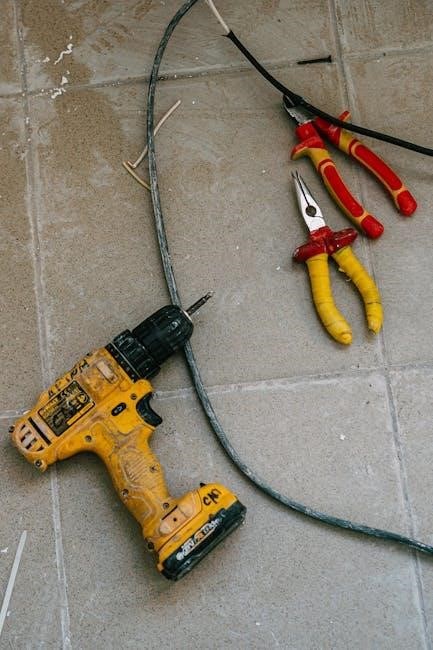
Regarding specifications, the CMB15 achieves a maximum pressure of 150 PSI, delivering consistent power. It’s designed for 2.6 CFM at 90 PSI, ensuring adequate airflow for many pneumatic tools. The unit’s lightweight construction and handle facilitate easy transport. The included 25-foot coil hose and accessory kit enhance versatility. Always consult the manual for complete details and safety instructions.
Tank Capacity (1.5 Gallon)

The Porter-Cable CMB15 air compressor features a 1.5-gallon tank, a crucial specification impacting its usability and portability. This tank size represents a compromise, offering sufficient air storage for intermittent tool use without excessive weight or bulk. It’s ideally suited for tasks like inflating tires, powering nailers for small projects, and operating airbrushes.
A smaller tank allows for quicker pressure recovery times compared to larger capacity models, minimizing downtime between bursts of air. However, it also means the compressor will cycle on more frequently during continuous operation. Refer to the manual for recommended duty cycles. Understanding the 1.5-gallon capacity helps users manage expectations and select appropriate applications for the CMB15.
Maximum Pressure (150 PSI)
The Porter-Cable CMB15 air compressor is rated for a maximum pressure of 150 PSI (Pounds per Square Inch Gauge). This specification dictates the potential power available to operate various air tools. 150 PSI is sufficient for a wide range of applications, including inflating tires, powering nail guns, and operating some spray guns.
However, it’s crucial to consult the air tool’s manual to ensure its operating pressure requirements align with the compressor’s capabilities. Exceeding an air tool’s maximum pressure can cause damage or pose a safety hazard. The compressor’s cut-out pressure, detailed in the manual, automatically stops the motor when 150 PSI is reached, preventing over-pressurization of the tank.
Accessories Included

The Porter-Cable CMB15 150 PSI air compressor package typically includes several accessories to enhance its usability right out of the box. A key component is the 25-foot coil air hose, providing ample reach for various tasks. This hose is designed for portability and convenient storage.
Furthermore, the compressor comes with a comprehensive accessory kit. While specific contents may vary, these kits generally contain a range of air tool adapters and nozzles. These allow users to perform inflation, dusting, and other common applications. Refer to your specific manual for a detailed list of included accessories. Proper utilization of these components, as outlined in the manual, ensures optimal performance and safety.
25-Coil Hose
The included 25-foot coil air hose is a vital accessory for the Porter-Cable 150 PSI air compressor, offering flexibility and convenience during operation. Its coiled design allows for easy storage and prevents kinking, ensuring a consistent airflow. This hose is specifically chosen to withstand the compressor’s maximum PSI output, guaranteeing safe and reliable performance.

Before use, always inspect the hose for any signs of damage, such as cracks or abrasions, as detailed in the manual. Proper connection to both the compressor and the air tool is crucial for preventing leaks and maintaining optimal pressure. The manual provides clear instructions on hose connection and maintenance. Utilizing a quality hose, like the one included, extends the lifespan of your compressor and ensures efficient operation.
Accessory Kit Contents
The Porter-Cable 150 PSI air compressor’s accessory kit enhances its versatility for a wide range of inflation tasks. While specific contents may vary, the kit generally includes a selection of adapters and nozzles designed to accommodate different air tools and inflatables. The manual details each component and its intended use, emphasizing safe and effective operation.
Commonly, the kit features inflation needles for sports balls, a universal air chuck for tires, and various nozzle attachments for inflating smaller items. Refer to your manual for a complete inventory list. Proper storage of these accessories, as outlined in the manual, prevents loss and damage. Understanding the function of each accessory ensures you can maximize the compressor’s capabilities and tackle diverse projects efficiently.
Troubleshooting Common Issues
The Porter-Cable 150 PSI air compressor manual provides guidance for resolving frequent operational challenges. Low air pressure often stems from leaks in fittings or hoses; inspect connections and tighten as needed. If the motor fails to start, verify the power supply and check for tripped circuit breakers. The manual details reset procedures.
Air leaks can also occur around the tank drain valve or pressure switch – ensure these are securely closed. Refer to the manual’s troubleshooting section for detailed diagrams and step-by-step instructions. Always disconnect the power supply before performing any maintenance or repairs. If issues persist, consult a qualified technician; attempting complex repairs without proper knowledge could void the warranty and pose safety risks.
Low Air Pressure
Experiencing low air pressure with your Porter-Cable 150 PSI compressor? The manual highlights several potential causes. First, inspect all air hose connections and fittings for leaks, tightening them securely. Check the tank drain valve; ensure it’s completely closed to prevent air escape. A faulty pressure switch can also contribute to this issue – the manual details its location and testing procedures.
Furthermore, verify the compressor isn’t exceeding its duty cycle, allowing sufficient cool-down time. If the motor runs continuously without reaching the desired pressure, a worn piston ring or valve might be the culprit, requiring professional attention. Always consult the manual before disassembly and prioritize safety by disconnecting the power supply during inspection.
Motor Not Starting
If your Porter-Cable 150 PSI air compressor’s motor fails to start, the manual suggests a systematic troubleshooting approach. Begin by verifying the power supply – check the outlet, cord, and circuit breaker. Inspect the on/off switch for proper functionality. A tripped thermal overload protector is a common cause; allow the motor to cool down before attempting restart, as detailed in the manual.
Additionally, examine the compressor’s capacitor, as a faulty capacitor can prevent motor start-up. The manual provides guidance on capacitor testing and replacement. If these steps don’t resolve the issue, a problem within the motor itself may exist, necessitating professional repair. Always disconnect the power before any inspection or maintenance, prioritizing safety.
Air Leaks
Detecting and addressing air leaks is crucial for maintaining your Porter-Cable 150 PSI air compressor’s efficiency, as outlined in the manual. Begin by visually inspecting all connections – hoses, fittings, and the tank itself – for any signs of damage or looseness. A soapy water solution applied to suspected leak areas will reveal bubbles, pinpointing the source.

Tighten any loose fittings, and replace damaged hoses or connectors. The manual emphasizes the importance of using the correct replacement parts. Check the drain valve, as it can sometimes leak if not fully closed. If leaks persist from the tank itself, discontinue use and consult a qualified technician, as tank repairs require specialized expertise and adherence to safety guidelines.